If you’ve ever reached the end of a workday feeling stiff, restless, or oddly drained despite “just sitting,” you’re not alone. Traditional office chairs—even ergonomic ones—encourage stillness. And that’s where the problem starts.
Active stools offer a different approach. Instead of locking you into a fixed position, they allow subtle movement throughout the day—engaging your core, improving posture awareness, and helping reduce that sluggish, sedentary feeling.
In 2026, active seating has become more mainstream, especially among remote workers, apartment dwellers, and anyone trying to build a healthier desk setup without overhauling their entire workspace. This guide breaks down the best active stools to consider, what actually matters when choosing one, and how to use them in a realistic workday.
What Is an Active Stool—and Why It Matters
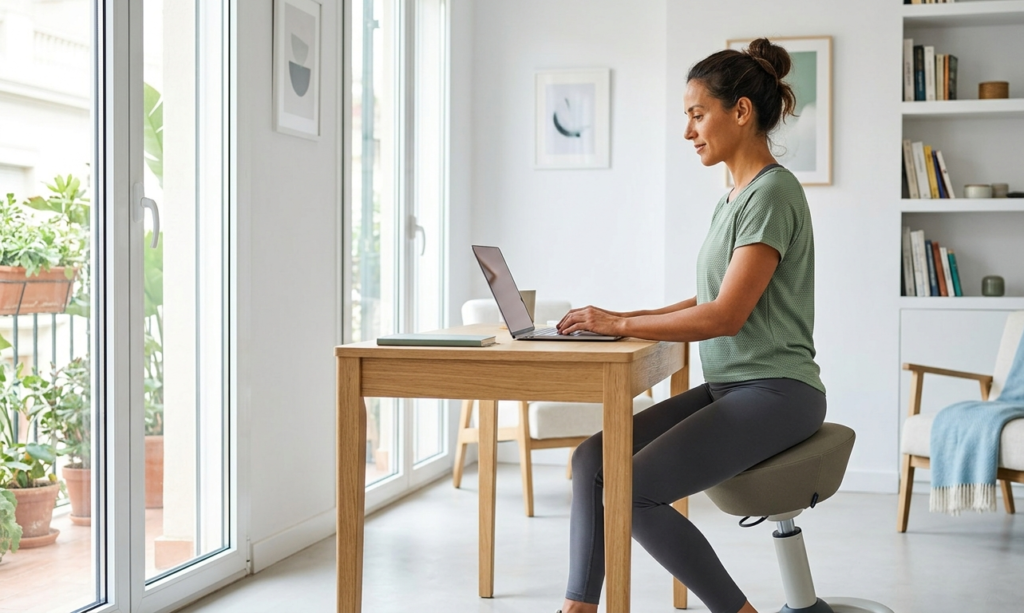
An active stool (sometimes called a wobble stool or balance stool) is designed to keep your body slightly in motion while sitting. Instead of a rigid base, it uses a curved or flexible foundation that lets you tilt, rock, or shift naturally.
That movement might seem minor, but it changes how your body behaves at a desk:
- Your core stays lightly engaged instead of switching off
- You shift positions more frequently without thinking about it
- Your spine tends to stay more upright
- You avoid long stretches of static sitting
This isn’t about turning your desk into a workout. It’s about reducing the downside of being still for hours at a time.
Who Should Consider an Active Stool?
Active stools aren’t a one-size-fits-all solution, but they’re a strong fit for certain work styles and setups.
They work especially well if you:
- Feel restless or fidgety during long work sessions
- Use a sit-stand desk and want a flexible middle option
- Work in a small apartment where bulky chairs feel overwhelming
- Want to improve posture awareness without overthinking it
- Prefer lightweight, easy-to-move seating
They’re less ideal if you need full back support all day or if you prefer a very stable, fixed sitting experience. Many people end up using an active stool part-time alongside a traditional chair.
What to Look for in the Best Active Stools (2026)
Not all active stools are built the same. Some feel intuitive right away, while others can be awkward or overly unstable.
Here’s what actually matters when choosing one.
1. Base Stability vs. Movement
The key is controlled movement—not wobbling all over the place.
- A good stool lets you tilt and shift without feeling like you’ll tip
- The base should feel responsive, not loose
- Beginners usually benefit from a slightly more stable design
If it feels like balancing on a ball, it’s probably too extreme for daily work.
2. Height Adjustability
Your stool needs to match your desk height. This is especially important if you:
- Switch between sitting and standing
- Use a standard desk vs. a taller setup
- Share your workspace with someone else
Look for a wide adjustment range so your hips can sit slightly above your knees—a position that naturally encourages better posture.
3. Seat Comfort
You’ll notice the seat quickly—especially after a few hours.
- Slight padding helps, but overly soft seats can feel unstable
- A gently contoured shape can improve comfort over time
- Breathable materials matter if you sit for long stretches
Minimalist designs can work, but they shouldn’t feel harsh.
4. Footprint and Mobility
One underrated benefit of active stools is how easy they are to move.
- Compact bases are ideal for small apartments or shared spaces
- Lightweight designs make it easy to switch positions or tuck it away
- Some models double as casual seating in other parts of your home
If your workspace is tight, this becomes a major advantage over traditional chairs.
5. Noise and Floor Impact
A small but important detail—especially in apartments.
- Rubberized bases help prevent noise and slipping
- Smooth movement avoids annoying creaks or scraping
- Floor-friendly materials protect hardwood or laminate surfaces
The Best Active Stools for 2026
Below are two strong options that cover different preferences, from more stable beginner-friendly designs to flexible everyday use.
A Balanced Option for Everyday Work
- Active Sitting Stool — best for most people who want subtle movement without instability
This type of stool strikes a practical middle ground. It allows gentle rocking and shifting, but still feels grounded enough for focused work.
Why it stands out:
- Easy to adjust and get comfortable quickly
- Encourages movement without distracting you
- Works well in both small desks and larger setups
Limitations:
- Not as dynamic as more flexible models
- May feel too controlled if you want a wider range of motion
This is a strong starting point if you’ve never used an active stool before.
A More Flexible, Movement-Focused Stool
- Active Sitting Stool — best for users who want more freedom of movement and a more dynamic sitting experience
This style leans further into active sitting. You’ll feel more range when tilting or shifting, which can be great if you naturally move a lot during the day.
Why it stands out:
- Greater flexibility for movement and repositioning
- Helps break up long static sitting periods
- Feels more engaging for creative or non-linear work
Limitations:
- Takes a short adjustment period
- May feel less stable for tasks that require complete stillness
If you like the idea of staying physically engaged while working, this type delivers.
How to Use an Active Stool Without Getting Fatigued
One of the most common mistakes is trying to use an active stool all day from the start. That usually leads to fatigue—not because the stool is bad, but because your body isn’t used to it yet.
A better approach:
Start with Short Sessions
Use it for 30 to 60 minutes at a time, especially during lighter tasks like emails or calls.
Alternate with a Chair
Switch back to your regular chair when you need more support or during long focused sessions.
Keep Your Setup Consistent
Make sure your desk height, monitor position, and keyboard placement still follow ergonomic basics. The stool doesn’t replace good setup—it enhances it.
Let Movement Happen Naturally
You don’t need to “actively wobble.” The benefit comes from subtle, unconscious shifts.
Active Stools in Small Apartments and Home Offices
Active stools have become especially popular in smaller living spaces—and for good reason.
They solve a few common problems:
Less Visual Bulk
Compared to traditional office chairs, stools take up less visual space, making a room feel more open.
Easier to Store
You can tuck them under a desk or move them aside when not in use.
Multi-Use Flexibility
They can double as extra seating in a living room or kitchen area, which is helpful in studios or shared apartments.
For renters or anyone working from a bedroom or corner setup, this flexibility matters more than it might seem.
Common Mistakes to Avoid
Even a great stool won’t help if it’s used incorrectly. Here are a few pitfalls to watch for.
Using It as a Full-Time Chair Immediately
Your body needs time to adjust. Overdoing it early can lead to soreness or fatigue.
Ignoring Desk Height
If your desk is too high or too low, you’ll end up compensating with poor posture.
Choosing Instability Over Usability
More movement isn’t always better. A stool that feels too unstable can become distracting.
Expecting It to Fix Everything
An active stool helps—but it’s just one part of a broader setup that includes movement, breaks, and proper desk alignment.
When an Active Stool Makes the Biggest Difference
You’ll notice the biggest benefits in specific situations:
- Mid-afternoon slumps when sitting still feels draining
- Short work sessions where focus tends to wander
- Creative tasks where light movement helps thinking
- Hybrid setups where you switch between sitting and standing
It’s less about replacing your chair entirely and more about adding variety to your workday.
Conclusion
Active stools aren’t a trend—they’re a practical response to how we actually work now. Long hours at a desk don’t have to mean staying completely still, and small changes in how you sit can make a noticeable difference over time.
The best active stools for 2026 focus on balance: enough movement to keep you engaged, enough stability to stay productive. Whether you’re working from a compact apartment or upgrading a full home office, they offer a simple way to make your setup feel more dynamic—and a lot less draining.
Used thoughtfully, an active stool won’t just change how you sit. It can change how your entire workday feels.